Worshipping In The Ashes

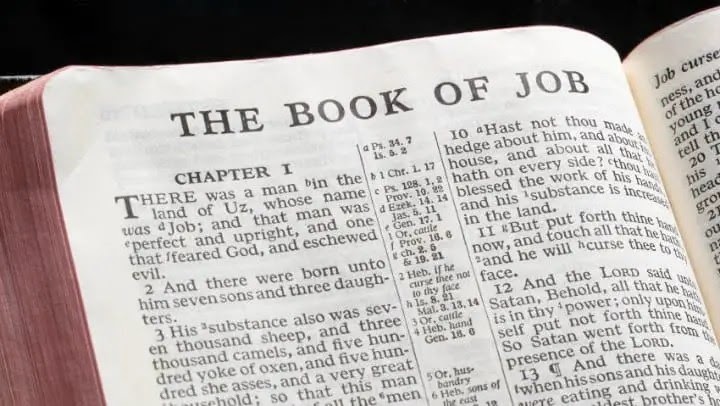
The Book of Job, KJV

“…Put forth Your Hand now, and touch his bone and his flesh; he will curse You to Your Face…Then Satan went out from the presence of the Lord and smote Job with sore boils from the sole of his foot to the crown of his head. And he took a potsherd to scrape himself while he was sitting among the ashes.” Job 2:5, 7-8.

Happy New Year, everyone!

Yes, I know that we are well into the month of January, but to be honest we are still barely into the New Year. Besides, I haven’t been active in my writing since the end of last year. I have had this particular post written since December, but due to a very hectic schedule and a much-needed break in order to rest my brain, I didn’t get to my computer.

With the close of a year and the dawning of a new year, it’s a usual pattern of most people to take time to reflect on the things that has happened within the previous twelve months, while looking forward to the things to come in the upcoming year. For many of us, we are not only looking back on the previous twelve months, but more than likely the last two to three years. This is probably the case because we have seen such unfathomable things happen in our lives within an extended span of time, and it is a wonder as to how any of us were actually able to make it through it all. If we are completely honest, during these incredible times of hardship we may have found ourselves doubting God and His plan for our lives, even if it were for a split second. This is not to say that for those who had these moments stopped believing completely, but rather the impact of the hits that we had taken through the year(s) left us in a position where we had to dig deep to gain access to the measure of faith that God has given to us in order to press our way through. The last few years have been tough for everyone, but this last year was so tough for many because just when we thought that the worst was over, something else happened and let us know that we weren’t finished with the heavy hits just yet. For my family in particular, it was the surge of COVID cases. Seeing that this unmerciful virus was the very thing that led to my brother’s death, seeing a number of people within my family hit with this virus caused us all grief and moments of worry.

The Uphill Climb of 2019-2023

When I think about what some of my loved ones and myself have gone through, it makes me think about Job. Even though none of us had to endure the kind of disastrous events as Job did, we were still taken by surprise in similar fashion to the ancient man of God—with sudden fear and a sense of devastation as things began to happen to us all. One part of his story in particular that has resonated in my spirit is the point in Job 2 where he sits in ashes, scraping his skin because of the affliction of boils and sores. What we see in scripture is a depiction of one of the most ancient of practices of the people of the Near and Middle East, the donning of sackcloth and ashes. It was quite possible that Job did not wear the sackcloth because of the skin condition that he was hit with. However, the ashes were still present. This act of wearing sackcloth and ashes was an outward symbol of repentance, humility, and even submission. Personally, I believe that Job’s posture in the ashes was more so an outward sign of the fact that even though he was going through the worst season of his life, he was still choosing to remain submitted to God and His will for him—an incredible act of worship.

As Job remained in his physically, mentally, and emotionally injured state, he does not dare to speak against God. Instead of doing so (which would have been a warranted reaction to the chain of events, according to his wife and friends), he silently submits to God. This is important to notice because submission to God and His will for our lives is an act of worship. This is even truer when everything around us has fallen apart with no prior notice of such devastation.

Remaining Faithful to God

Another thing that comes to mind is the fact that there were other practices that were associated with the wearing of sackcloth and ashes. For example, in the Near and Middle East, there were people who subscribed to the practices of cutting oneself when mourning. In Leviticus 19:28, God Himself forbade such practices, due to the fact that they were attached to pagan and demonic religious ceremonies. The reason why this is so noteworthy is because of the fact that Job was a man who lived in the ancient Middle East (most likely in the Idumean territory, according to some scholars), and therefore would have at least been aware of these practices. Even though it has been said that Job himself was not Jewish, he was still a devout worshipper of the One True God, and therefore would have intentionally push away anything that was not of God. Even with the potsherd in his hand, as he scraped his skin, he did not cut himself or fall into the things that he had forsaken. His heart remained with the God who had created him and blessed him. Job sets himself apart from the people around him who did not know God (even apart from his friends). As a man of God, he knew better than to engage with such pagan practices. His scraping was simply a means for relief and aiding in the care of the sores and boils. Even at his lowest point, Job does not fall into pagan and ungodly practices. He does not accuse God of evil. He does not allow himself to think about anything that could open a door to his own disobedience toward God. Instead, he holds true to his faith in God.

What I have learned in this season is that there is nothing wrong with taking time to sit in the proverbial sackcloth and ashes, in order to take the time to mourn and take stock of the things that has happened to us in this last year and within the last few years. However, it is vital that we be careful to remain committed to the will of God. For many of us, this was the posture that we were compelled by way of our faith to take during these recent hard times. In fact, some of those closest to me who were hit with devastating blows actually cried through these moments of trying to understand what was going on, and their tears weren’t only due to the presence of God. They cried as they said yes, even though the “yes” itself was painful. In this season, many of us have had to worship through tears and past the point where we wanted to give up and end it all (ministry, businesses, marriages, building of dreams, life in general). What we must understand is the fact that God takes notice of these moments of lowliness and humiliation, and watches us and our reactions to all that has happened to us and around us. He is patient and understanding when we want to collapse under the pressure of the present hardships, but He glories and revels in the moments where His children press through their (warranted) feelings and decide to worship Him and submit to His will. This act alone would have been enough for Job to inherit great things, but he was able to receive even the more because he also defended the fame and the will of God to those who were unable to understand what was happening and why. To the best of his ability, Job remained submitted to God and His will for his life, and showed his devotion and worship by sitting in ashes as a sign to the people that he was in great mourning, and as a sign to God that he will continue to submit to God Himself.

Press Your Way Through

Throughout the last few years, the world has been turned upside down. For many of us, our personal landscapes have changed immensely. At times worshipping God has been a hard thing to do (I know that’s not necessarily a good thing to admit to, but it’s honest). We’ve had to cry it out, scream it out, wail it out, and even talk ourselves into a place of submission and faith in God through these unusual times. These were necessary exercises in the preservation of the faith that we are to walk in. By doing this, we were able to maintain our connection with the Creator of Heaven and Earth, while being a living example of what it really means to be submitted to God (this walk in Christ is literally a “through thick and thin” type of walk). During these last few years, many of us have lost hope, but still managed to maintain our overall faith in the sovereignty and goodness of God (I’ll expound more on that in the next post). Many of us clung to hope and faith with our fingertips, as if we were hanging on the side of a cliff, just inches away from slipping away and down to (what appeared to be an inevitable) death. Regardless of what this long season has looked like to us as individuals, we must find ourselves praising God and celebrating the fact that we made it! So, allow your testimony of how you made it through this tough time to push you into the destiny that awaits you in this newly dawned year.

Just a side note: this same sentiment can be applied to any cycle of life in which we would find ourselves graduating out of/crossing over into. God is the same yesterday, today, and forever, and so through Christ and the inheritance He has made available to us through His sacrifice on the cross, we shall always come out in victory as long as we cling to Him.

Be blessed in Jesus’ Name!

I AM is Who He Is!

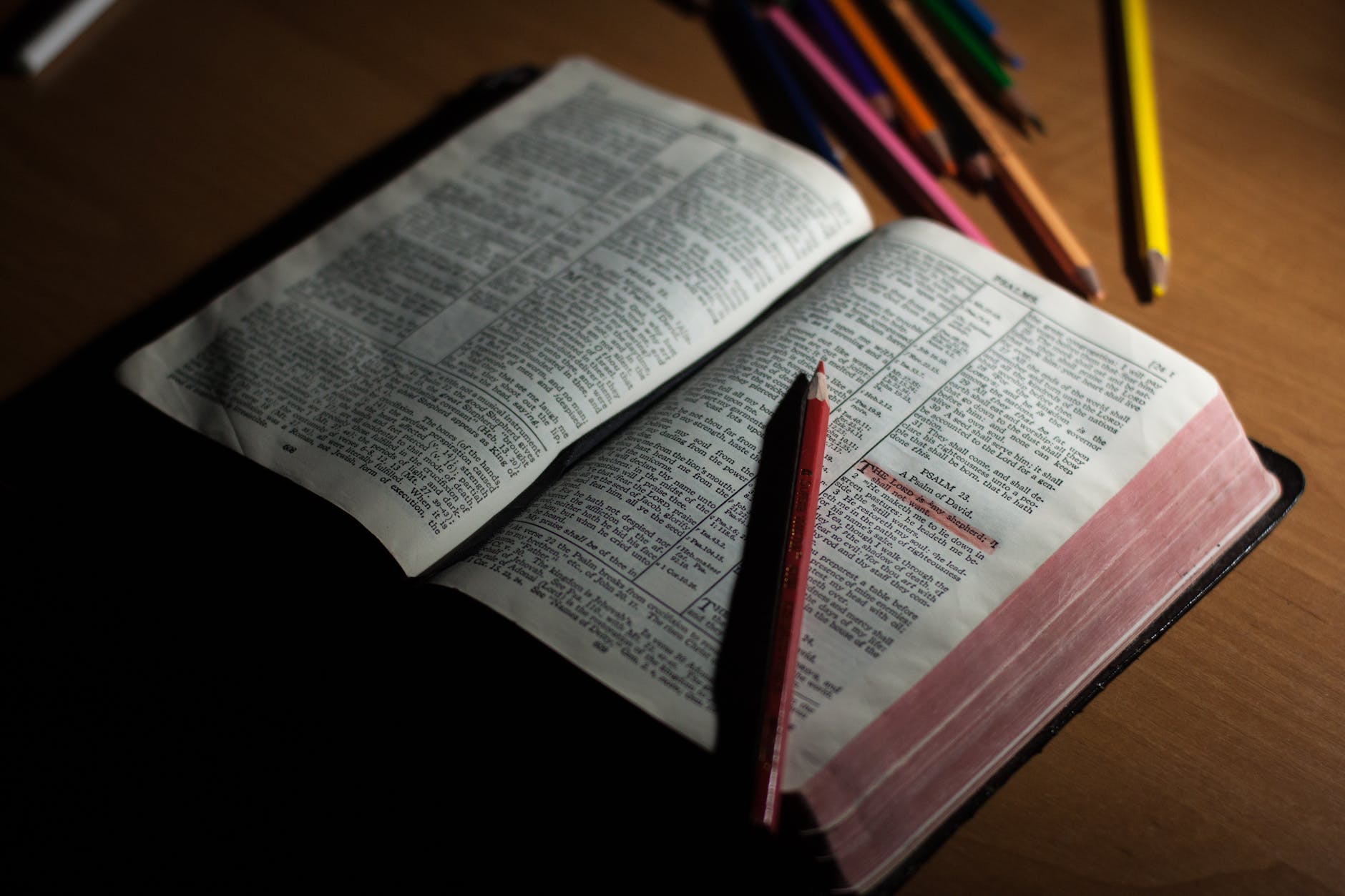
Photo by Daniel Reche on Pexels.com

“God is everything to me!”

This is a statement that we hear in so many praise and worship songs, and it is the sentiment of the testimonies and stories of God’s people being able to overcome insurmountable obstacles. God is indeed our everything. The unfortunate fact is that there are primarily two times when we would declare and/or fully believe that: first, coming out of a fiery trial; second, before trouble hits our doorsteps. Oftentimes when we are in the middle of trying times, we can easily forget this truth, which is why we often struggle the way we do, and for as long as we do. At least, this is what sometimes happens with me when I am going through hard times.

As humans we were created for fellowship and comradery with one another, but we were also created to have these interactions with God Himself first before anyone else. The problem could be that we are sometimes conditioned by way of life’s circumstances to rely on who and what we see, instead of relying on God. This very well could be the case for most of us, simply because we are unable to physically see Him. It is imperative that we internalize the fact that God is our everything, and cling to this truth when we find ourselves in fiery trials and in uncomfortable places. By doing so, it becomes a bit easier to walk by faith and not by sight, as it says in the Bible. Our faith is the exercise of believing that which has become our reality, even and especially when we do not see the manifested proof of said reality (compare to Hebrews 11:1). Thankfully, to help us get into a place where we can do this, we have a plethora of examples in the Bible to glean from, helping us to learn how to make this our reality, no matter what it is we may be facing.

For this post, let’s look at the call to duty by God to Moses, the former prince of Egypt and the chosen deliverer of the Children of Israel.

Moses Meets the I AM

Moses Before the Burning Bush by Claude Mellan is licensed under CC-CC0 1.0

“And God said unto Moses, ‘I AM THAT I AM.’ And He said, ‘Thus shalt thou say unto the Children of Israel, ‘I AM hath sent me unto you.’ “

Exodus 3:14, King James Version.

In my personal and yet humble opinion, Exodus chapter 3 has to be one of the most fascinating chapters in the entire Bible. We’re given a glimpse into the life of an 80 year old Moses who is a shepherd over his father-in-law’s sheep, and within a few short verses we are shown the dramatic paradigm shift that takes place in his life. One moment he’s tending to sheep, and the next minute he encounters a burning bush–a dramatic sight that God uses to get Moses’ attention and to summon him into a new place in Him. This is the point in his life where God transforms this humble shepherd into a force to be reckoned with for the Kingdom of God. In this impactful moment, Moses was being commissioned as the leader, prophet, and deliverer to the children of Israel, and as the face of the Heavenly opposition to pharaoh and the demonic system of oppression brought on by the Egyptian powers-that-be.

Part of this transformation and assignment was that Moses had to learn about who and what God is. When we look at the first two chapters of Exodus, it is quite possible to assume that due to his upbringing (being nursed by his own mother until the age of weaning) and his turnabout (turning away from the pleasures of the Egyptian palaces) in his adult years, Moses could have been somewhat familiar with the God of Israel and about His historical fame amongst the children of Israel. Even if this was the case, the culmination of this, plus his time away from Egypt while living in Midian, along with his encounter with God in chapter three, was all used to allow Moses the space and time that he needed to find out who God was to Him as well as to all who are called by His Name.

For Moses, this point of contact with God on Mount Horeb was not only an instructional conversation between him and God, but even more so an informational meeting for himself. The fact of the matter is that Moses had to come to know and understand the truth about God and His power and love for His people as well as for himself. When Moses asked about God’s Name in Exodus chapter 3, God responds first with, “I AM THAT I AM!” The Children of Israel needed to know this about God, but so did Moses as a leader and the one who was hand-picked by God to be the deliverer. After all, how can one teach others about the power and the character of God unless they first know this for themselves?

Photo by John-Mark Smith on Pexels.com

Who is the I AM to Me?

When I look at this statement, “I AM THAT I AM,” I am reminded that depending upon the translation of the Bible that one may be reading, one may see the scripture say, “I AM WHO I AM,” or even “I WILL BE WHAT I WILL BE.” As for me, my first introduction to this particular scripture (Exodus 3:14) came from the KJV, saying “I AM THAT I AM.” In all of the ups and downs that life has brought to my doorstep, that phrase and the principles therein are what I have had to learn how to cling to, in order to make it through tough situations. God has a way of letting us know that wherever there is a gap to be found in our lives, He is the one that fills it with His presence, grace, mercy, power, wisdom, and love. He is literally everything that we need, and every tangible need that we may have already exists in His hands as He waits for and schedules the proper time to make these things manifest in our lives.

For example: as a single woman, I am often battling against loneliness, feelings of isolation, and will oftentimes equate my present state as a version of the Isle of Patmos (in reference to the solitary and imprisoned state of John the Apostle). There are times when I can go and hang out with friends and fellow church members, but most of the time I may not have the opportunity to do so for a number of reasons. So, what do I do when I am longing for someone to talk to and to conversate with? This may seem to be cliché to some of you, but I literally talk to God. For me, having even a simple conversation with God fulfills my emotional needs as well as my mental and spiritual needs. Furthermore, even though I cannot physically see Him, His presence is overwhelming and fulfilling.

Now, when it comes to talking with God, I am not just talking about times of prayer and intercession and such. The moments of conversation and communion that I am referring to are the moments of prayer that take place while I am up and about, or moving around the house. These moments are for me and Him, as I am pouring my heart out to Him, confessing my faults and frustrations and giving a voice to my hopes and dreams for the future. In these moments I will literally talk out loud to Him as if He were there, because for me He is! Not only do I talk to Him, but I will also listen for His response as He speaks in the still and small voice (compare to 1 Kings 19:12). This is one of the things that God does for me that helps me to not only endure the physical isolation, but also embrace it. After all, who better to present the tough questions to than the God of our salvation and the creator of Heaven and Earth?

There are going to be moments in our lives when we look at the landscape of our present situations and wonder how are we going to make it through to a better day, or even to any sort of blessing that we are seeking from the Lord. We have to remember that every time we ask the question, “How am I going to accomplish or acquire this or that,” God is there, ready for us to ask Him that question so that He can tell us, “I AM THAT I AM!” What this means is that God is big enough to fit into every single situation that we can and will encounter, and powerful enough to bring it all to the point of breakthrough, blessings, peace, joy, and security in Him. God wants us all to remember that He is THAT I AM, as if to say, “that thing that you are in need of, I am THAT for you!”

God is Your I AM.

In times when we are in need of help or intervention in our personal problems and obstacles, asking “who can I go to with these issues and needs, God wants to tell us, “I AM WHO you can turn to, always.” When looking towards tomorrow and wondering “how am I going to get through tomorrow, when today was so incredibly hard,” God would be there to say, “I WILL BE, because I promised to never leave you nor abandon you.” There is nothing in our lives that we He can’t help us through. We just have to make it our business to turn to Him always, making this a healthy daily habit.

In this season I have found myself re-learning these things and actively reminding myself of the many other benefits that come with being a child of God. I have asked myself these very questions that were mentioned in the previous paragraph, and in order to get the answers that I need, I must listen for the still and small voice. No matter what my questions are, and no matter what His answers may be, we must all walk in the revelation that God is the I AM that we are in need of, and He will forever desire to be so for us all. I cannot say that it’s always an easy thing to remember, nor will I be foolish enough to say that it’s an easy walk. However, I do know that understanding and internalizing the truth that God is the I AM that fulfills every need that I may have is something that I strive to do on a daily basis, and that this truth helps me though my toughest times. If we can get this truth down into our spirits, the hard things that we face may not be always easy, but they can and will always become easier in comparison to what it would look or feel like if we tried to go forward without Him being our I AM.

I think that it’s important to know that God wishes to be our personal everything, our very own I AM. So often, we as the people of God will seek the I AM and even preach the I AM to those who are in need. However, we can also forget this truth when it comes to our own needs, as if to say that God is a “corporate” God and not a personal God. As much as He loves the world and His creation, we must remember that He loves us as individuals as well as members of one body. He is not only concerned with those whom we pray and cry out for, for He is also concerned about the personal struggles, issues, desires, prayer requests, hopes and dreams that we all carry. In this season of re-learning these things about God, this is one that I really have to work on, because I have come to realize that I have let a lot of personal requests sit on the shelf or tucked away instead of bringing to the Father. This will be a future topic for another transparent post.

Conclusion

Just like what we see unfold in the life of Moses in Exodus 3, we all have either had or will have an encounter with God that will help to shape who and what we are. In that encounter, God will reveal Himself as the I AM for us personally and also for those whom we are connected to. Before Moses could deliver a nation of people into their own nation under God’s sovereignty, he had to know and accept that God was going to be everything he needed in order to complete this task. Moses had to understand that as the chosen leader, there were going to be only a few people that he could lean on, and that even then there would be times when he couldn’t even lean on them. He had to know and understand that God, as the I AM, was going to be the fulfillment of whatever Moses was personally needing. Therefore, Moses was not only commissioned to be the leader, deliverer, and the prophet to the nation, but he was also to be the example of what it meant to rely on God for everything—from daily personal needs to the needs of the nation as a whole. We may not be called to literally lead a nation of people out of bondage in the same way that Moses did, but we are all meant to be the example of what it means to rely on God and how to receive the benefits and blessings that comes from such a life.

My prayer is that we all would allow God to be our I AM, so that we can be all that He has called and designed us to be. We are not meant to walk this walk completely alone. We were meant to do this thing called life with the help and the guidance of the Great I AM.

I AM is who He is!

Until next week, be blessed everyone, in Jesus’ Name!

P.S. If this post resonates with you and your walk with Christ, please feel free to leave a comment about how you are learning to rely on God in this season of your life!